"...except the tracts and areas designated as parks or children's playground..."
That phrase comes from a Florida law written for one South Tampa subdivision. The full sentence zones the lands of the Parkland Estates Subdivision for single-family residential use only, "as said Subdivision is now platted of record in Plat Book 1, Page 156," and then carves out the parks.
Most South Tampa neighborhoods get their rules from the city zoning code. Parkland Estates got its rules from Tallahassee. That history explains why a volunteer civic club here does more than plan a picnic, and it shows up again on this season's calendar.
A 1920s Plat, A 1953 Statute
The neighborhood's origins come before the law. The Tampa Bay History Center credits developer Burks L. Hamner with establishing Parkland Estates "just west of Howard Avenue between Swann and Morrison Avenues." It also says the neighborhood was well underway by 1926, the same years Hamner was helping build Temple Terrace and starting his golf-course community at Forest Hills.
In 1953 the Florida Legislature passed a special act, Chapter 29126, Laws of Florida, covering this one subdivision. It limited the platted lots to single-family homes, allowed no more than one private dwelling per platted lot, and exempted the tracts designated as parks or children's playgrounds. A 2003 House staff analysis cites the act as Chapter 29129. The enrolled bill and the published chapter law both say 29126, and those are the official texts.
In practice, a state statute set the neighborhood's pattern of homes and parks. Changing it meant changing a law.
The Last One Of Its Kind In Tampa
By 2003, that arrangement was unusual. The House staff analysis of HB 731 described Parkland Estates' act as "the last such surviving enactment within the City of Tampa which placed zoning in the hands of the Legislature instead of the City of Tampa." It noted that six similar special acts had already been repealed and called the 1953 text "archaic with many undefined terms."
Parkland Estates had been outside the city's normal zoning process for half a century. The 2003 bill set out to bring the city in without wiping out the original act.
Getting there took two attempts:
- 1920s: Burks L. Hamner establishes Parkland Estates west of Howard Avenue, and it is well underway by 1926.
- 1953: Chapter 29126 zones the platted subdivision for single-family use and exempts its park and playground tracts.
- 2001: Similar legislation is introduced but withdrawn after several neighbors say they never received notice of the bill.
- 2003: HB 731 passes both chambers and is approved June 26, 2003, as Chapter 2003-343, Laws of Florida.
The 2001 setback matters. The first try to change how the neighborhood was governed stalled because neighbors spoke up about notice. The version that passed two years later spelled out a role for those same residents.
What The 2003 Law Gave The Civic Club
Chapter 2003-343 kept single-family residential use as the baseline, with exceptions for the park and playground tracts and for specified church-purpose lots in Block 16. It allowed the City of Tampa to apply and enforce its zoning code alongside the special act, and it says the act prevails where the two conflict. The staff analysis adds that residential structures existing before December 31, 2002, received grandfathered status, and that side setbacks would follow the city's zoning code.
The provision that ties the history to this fall is about enforcement. The law gives the Parkland Estates Civic Club, along with property owners and residents, concurrent authority to enforce the act through civil proceedings. The Legislature had found the 1953 provisions "insufficient for enforcement purposes" and called for "a cooperative and collaborative effort between the city and the residents."
The group that organizes the neighborhood's picnic and parade is the same group Florida law named as a partner in upholding the 1953 act, as amended in 2003. All of this is history drawn from the statute's text. It is not guidance on how the act applies to any particular property today.
The Civic Club's own mission statement uses the language of that statute. It describes the club's purpose as promoting fellowship, educating and uniting residents, and acting to "preserve, protect, defend and enhance the exclusive use of the Parkland Estates Subdivision for single family residential purposes, set forth by the Parkland Estates Act of 1953." It also describes itself as an all volunteer-led organization made up of residents living within the neighborhood's boundaries.
The Church Where The Meetings Happen
The 2003 law makes specific provision for church use, and the Civic Club holds its meetings in a church. Bayshore Baptist Church, at 3111 W Morrison Ave, lists parking entrances at W Parkland and S MacDill and on W Morrison.
The church also dates to Tampa's 1920s boom. According to Bayshore Baptist's history page, the Tampa Baptist City Mission organized a committee in 1925 to find property in Southwest Tampa. It bought a lot at Deckel, DeSota and South Howard Ave and held the first worship service in a new four-hundred-seat chapel on March 26, 1926. That same day, the congregation agreed on the name Bayshore Baptist Church. In June 1945 the church launched a building program to move to its current address, and the first service in the present sanctuary was held on Thanksgiving morning 1956.
The sources do not say whether the church's current parcel is one of the Block 16 lots the 2003 law names. What the record does show is that Hamner's subdivision and this congregation both started in the mid-1920s, and the church opened its current sanctuary three years after the Legislature wrote Parkland Estates' rules into law.
Where The Club Meets You This Season
The Civic Club's 2026–2027 schedule puts its two social events in neighborhood parks and its meetings at Bayshore Baptist Church, with the Annual Meeting's location still listed as TBD.
| Date | What | Where |
|---|---|---|
| Oct 13, 7:00 pm | General membership meeting | Bayshore Baptist Church |
| Nov 8 | Fall Picnic | Fountain Park |
| Nov 10 | Monthly board meeting | Bayshore Baptist Church |
| Dec 13 | Lighted Parade | Simms Park |
| Jan 12, 7:00 pm | General membership meeting | Bayshore Baptist Church |
| April 12, 6:30–8 pm | Annual Meeting | Location listed as TBD |
Tomorrow's general membership meeting is the first of only two on this year's schedule. The other is January 12. Board meetings continue monthly at the church, with Aug 10, Sept 8, Oct 13 and Nov 10 listed for the fall, then January through April. The club's "Get Involved" section invites residents to volunteer for an event or a committee and to add topics to the agendas of membership and board meetings.
The club's page shows each date without a year next to it under the "2026–2027" heading. Confirm with the club at [email protected] before you plan around an event.
Simms Park appears in a University of Florida community-facilities inventory at Simms Blvd. and Edgewood. The club lists Fountain Park as the picnic site but doesn't publish cross streets on its homepage. Neighbors who have been to a past picnic already know where to go.
Luminaries On The Curb
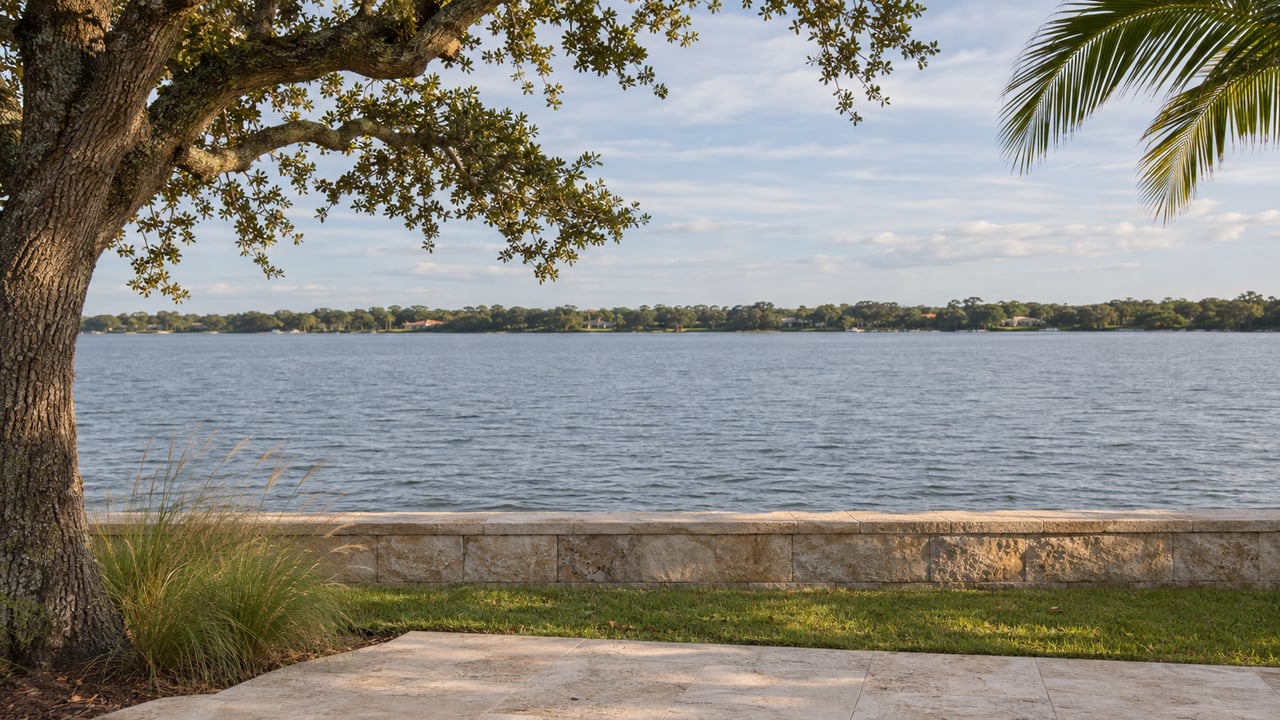
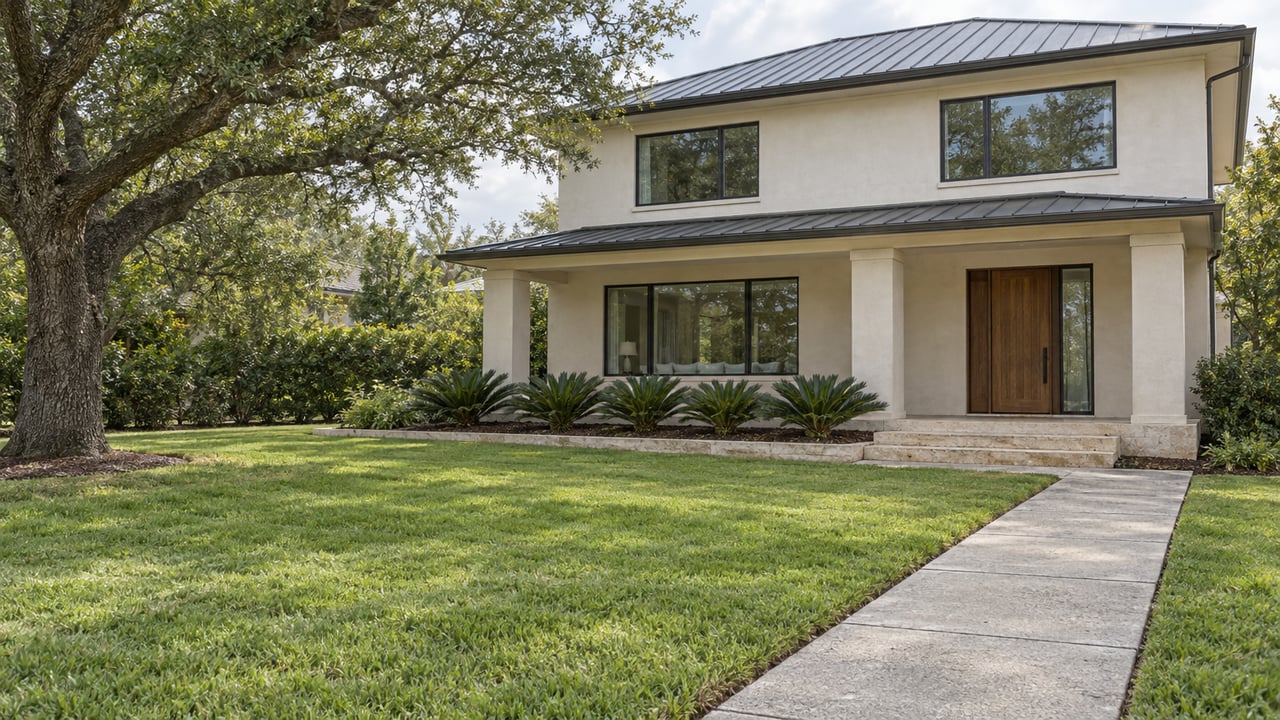
The holiday season gets a mention in city records too. The City of Tampa's Parkland Estates page describes the neighborhood as "a mixture of classic and new homes with a variety of architectural styles and designs" with "nice park areas to enjoy the outdoors." It also says residents "traditionally celebrate the holidays together with street side luminaries and an outdoor celebration." The Civic Club's homepage carries a Santa flyer and neighborhood photos alongside its event listings.
The club's tagline is "Live Life in the Park." The same club was named in the 2003 law as a partner in upholding the act that exempts the subdivision's park and playground tracts.
If you own in Parkland Estates and want to know how the neighborhood's 1953 history fits into your home's story, The Warneke Group can walk you through it as part of a conversation about what your property is worth today. Start with Value My Home, and we'll bring the local context with us.
This article is general information, not legal, tax or financial advice. Consult a qualified professional about your situation.