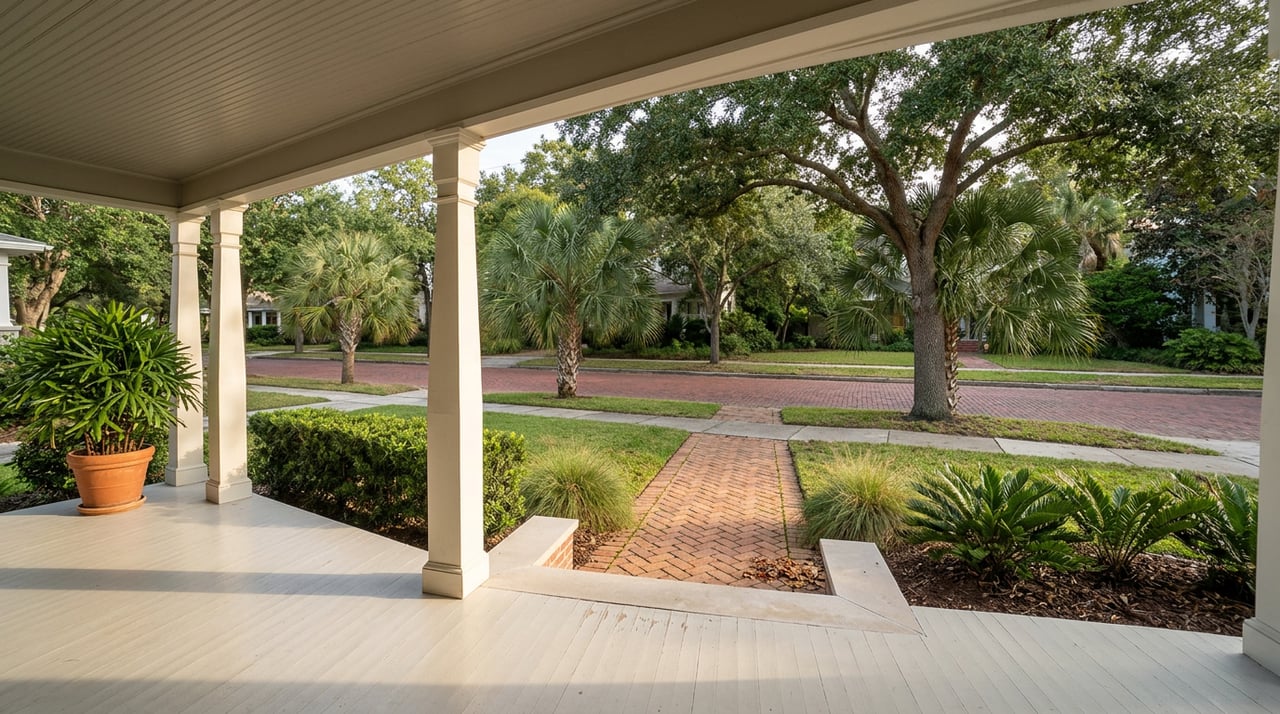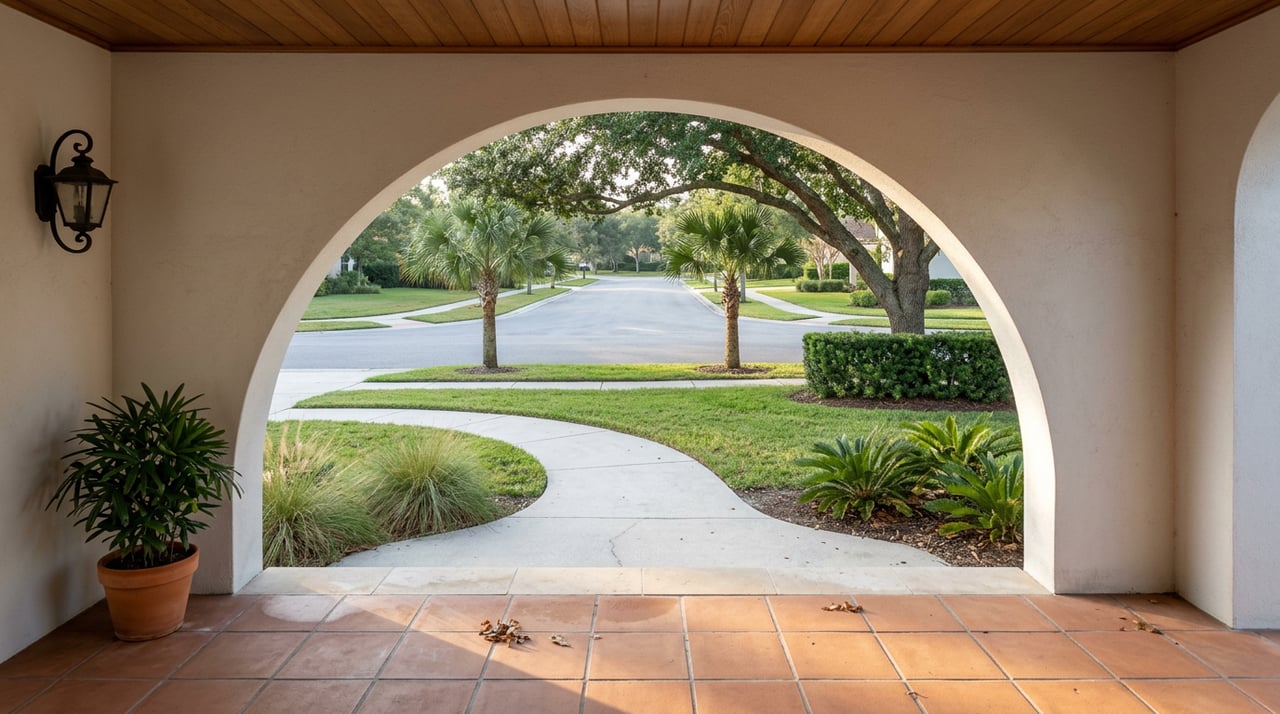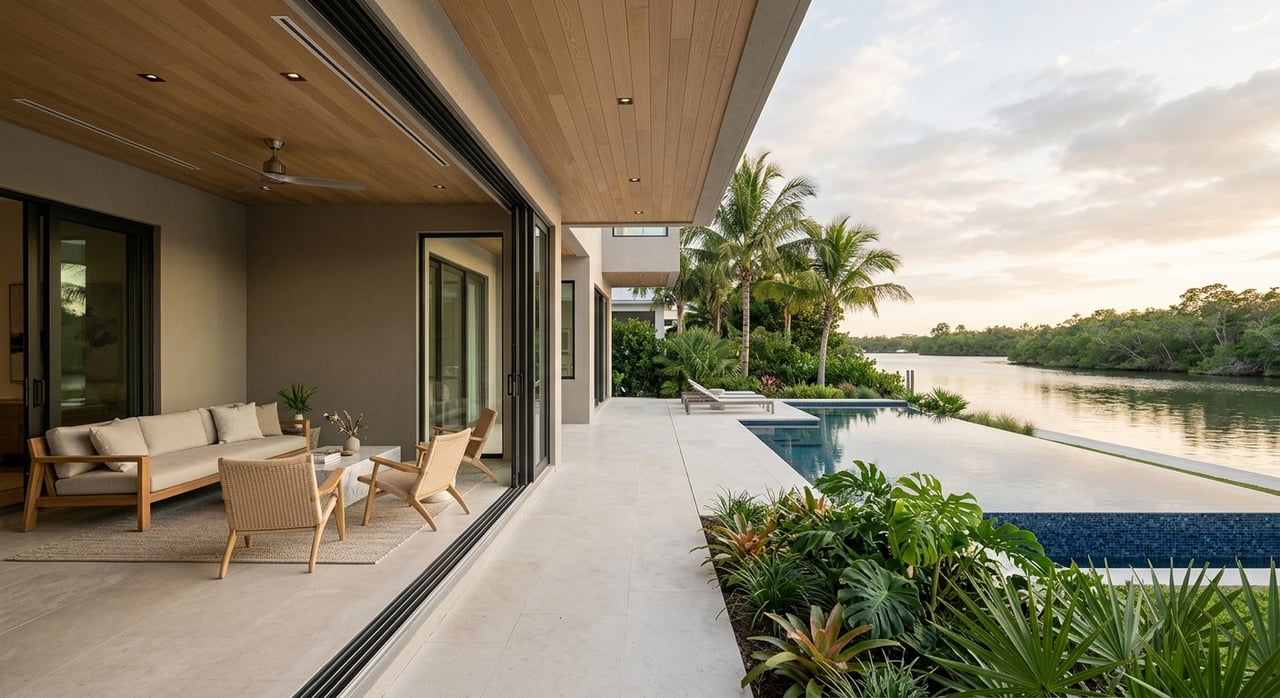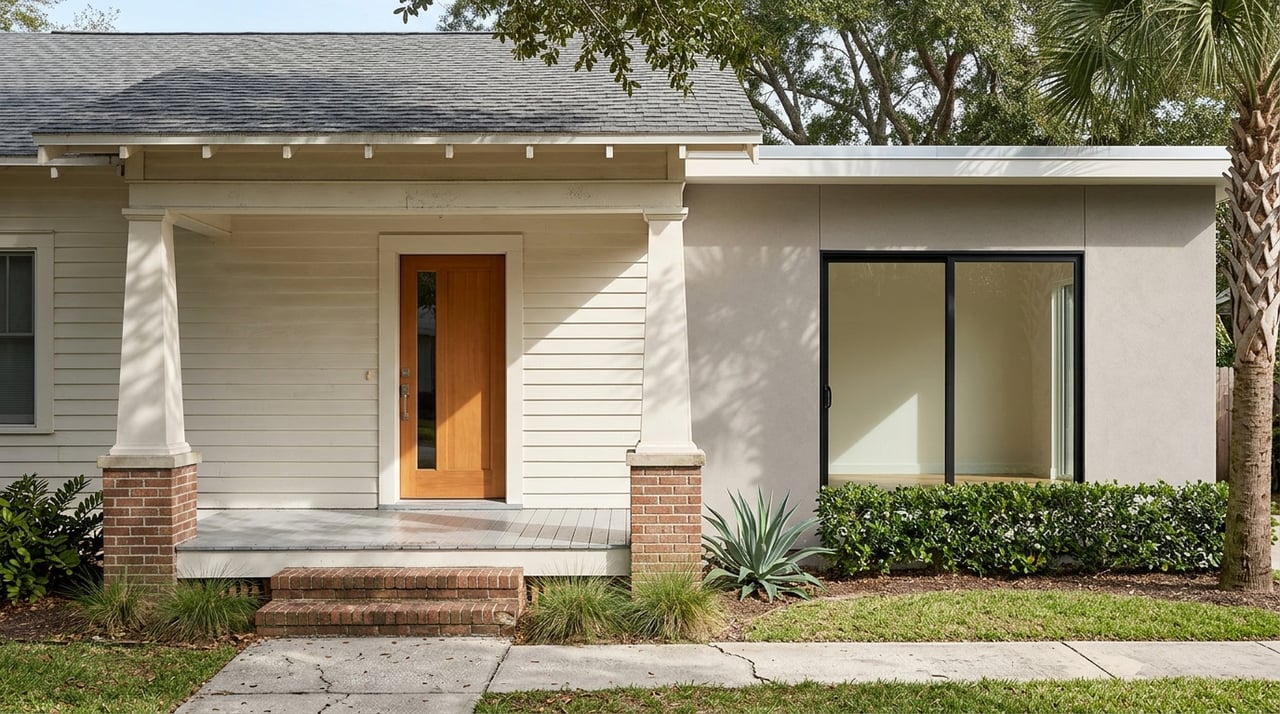
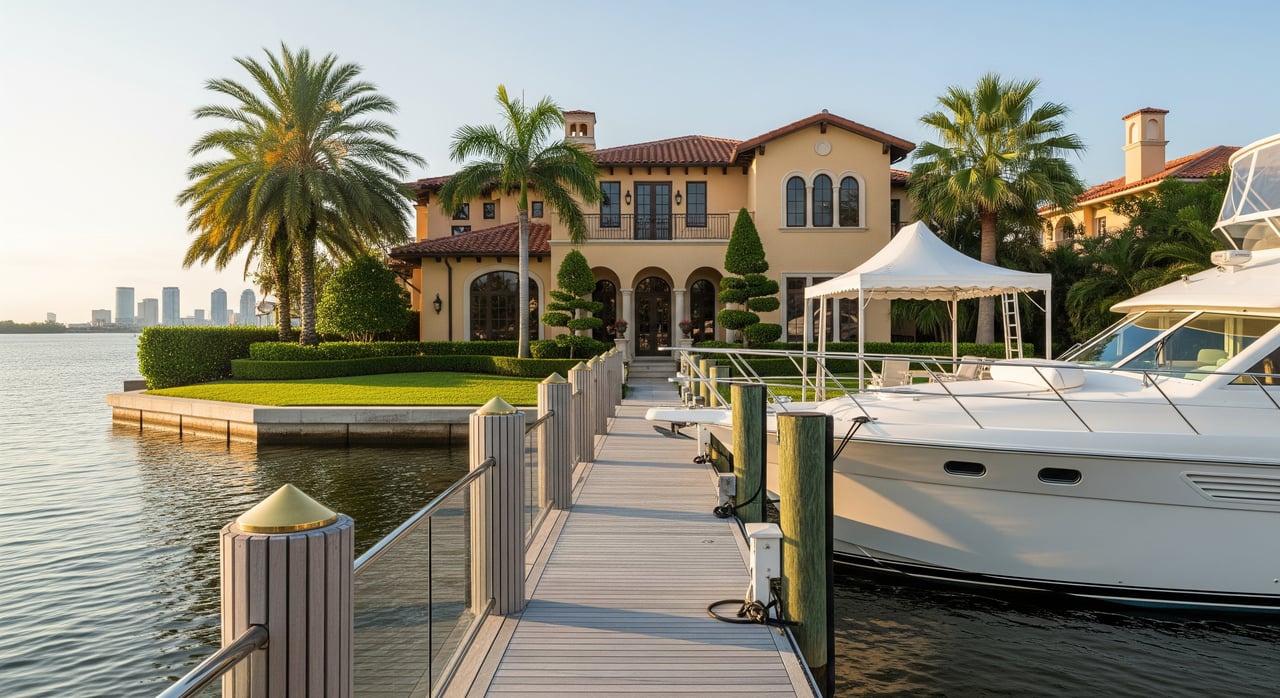
Dreaming of stepping from your back patio onto your boat and gliding into Tampa Bay in minutes? If you are moving to South Tampa with a boat in mind, you have great options within a short reach of downtown. Each neighborhood offers a different blend of dock setups, canal depth, HOA rules, and lifestyle. In this guide, you will learn how Davis Islands, Culbreath Isles, Sunset Park, and Harbour Island compare for boaters, plus what to check before you buy so your boat life works the way you want. Let’s dive in.
Why South Tampa works for boaters
South Tampa’s waterfront neighborhoods sit on or near Hillsborough Bay, which connects to the main Tampa Bay channels and the Gulf. From the Davis Islands area, you typically travel across marked, dredged channels, plan around tides, and watch for commercial traffic near Port Tampa Bay. Your exact run time depends on your slip location, vessel speed, and conditions.
Navigation here is straightforward once you learn the channels. You will want to account for shallow flats, tides that affect draft in smaller canals, and bridge clearances where applicable. Before any longer run, check current NOAA charts, U.S. Coast Guard Local Notices to Mariners, and weather. These basics help you avoid surprises and enjoy your time on the water.
Davis Islands: walkable, boat-first living
Davis Islands offers a classic island lifestyle with quick access to open bay water. Many homes have seawalls and in-water docks, and there are private club facilities on the islands. Exiting to broader bay channels is typically short since you are not winding through long interior canals.
Depth and tide still matter, especially for deeper draft boats. If you plan a larger slip or lift, confirm the property’s dock configuration, existing permits, and any environmental limits. Buyers who value a walkable, social scene near downtown often find Davis Islands a strong boat-first fit.
Culbreath Isles: privacy and deep-water canals
Culbreath Isles is known for large custom homes, mature landscaping, and a private feel. Many waterfront lots are on canals with good direct access to Hillsborough Bay, while some homes sit directly on the bay. Private docks and seawalls are common, and canal positioning can improve protection and ease of docking.
Local road bridges are mostly fixed and low profile, which is fine for typical powerboats. If you run a sailboat or tall rig, verify clearance. This neighborhood suits buyers who want larger lots, privacy, and a refined, residential boating environment.
Sunset Park: flexible access and value
Sunset Park has a mix of interior homes and pockets with canal access. If your specific street fronts a canal, you can reach the bay through smaller waterways. Some canals are shallower and more tide sensitive, so draft checks at mean low water are essential.
If you do not need a private dock right away, nearby public boat ramps and parks can be convenient. Sunset Park can be an approachable entry point to the South Tampa boating lifestyle while keeping you close to west and south waterfront amenities.
Harbour Island: urban life on the water
Harbour Island puts you next to Downtown Tampa and Channelside with a refined urban feel. Many buildings and townhome communities offer private docking for residents. Availability varies by development, so confirm slip rights and waitlists early in your search.
Access to Hillsborough Bay is quick from this inner-harbor location. Condo association rules often regulate dock use, transient rentals, boat lifts, and liveaboards. If you want an easy walk to restaurants and downtown events while keeping your boat close, Harbour Island is an appealing choice.
What to check before you buy
Buying with a boat in mind requires a few extra steps. Use this checklist to focus your due diligence.
Property and dock details
- Dock and seawall condition. Ask for age, materials, repair history, and permitted work. Seawall replacement can be costly.
- Slip size and configuration. Confirm maximum length overall, beam, and depth at mean low water. Make sure the space fits your current boat and likely upgrade.
- Utilities at the dock. Check shore power specs, potable water, lighting, and pump-out access.
- Ownership and easements. Verify whether the slip is deeded to the property, part of a community dock, or leased, and who handles maintenance.
- HOA and CC&R rules. Understand restrictions for lifts, liveaboards, slip leasing, transient guests, and watercraft types.
- Flood zone, elevation, and insurance. Review FEMA maps and any elevation certificates. Insurance costs and building requirements vary by zone.
- Permitting and compliance. Confirm permits for existing docks and seawalls with the City of Tampa or Hillsborough County.
- Environmental limits. Seagrass or protected areas can restrict expansion, dredging, or new structures.
Marina and service access
- Slip availability and waitlists. Identify nearby marinas if your private dock is tight or you plan a larger vessel later.
- Haul-out and boatyard options. Know where you can lift, store, and service your boat.
- Fuel and pump-out. Track the closest options for routine trips.
- Repair resources. Confirm local mechanics, riggers, and parts suppliers that support your boat type.
- Security and insurance requirements. Some facilities require specific coverage levels and documentation.
Navigation and operations
- Depth and tide constraints. Study charted depths and talk to local operators about seasonal shoaling and mean low water.
- Bridge clearances and openings. Fixed vs movable matters if you run a sailboat or tall flybridge. Review opening rules and schedules before you commit.
- Boating regulations. Note no-wake zones, speed limits, anchoring rules, and seasonal closures.
- Weather and hurricane plan. Identify hurricane haul-out contracts, stacking options, and safe harbors.
Financial and lifestyle factors
- Waterfront premiums. Expect higher pricing and ongoing costs for maintenance, insurance, and HOA dues.
- Insurance quotes. Obtain both homeowner and marine coverage quotes early due to flood zone impacts.
- Resale dynamics. Waterfront inventory is limited and can behave differently in market shifts.
- Lifestyle match. Consider proximity to yacht clubs, restaurants, downtown, and your tolerance for urban activity versus privacy.
Private dock, condo slip, or marina?
Choosing the right setup comes down to how you boat and what you value most.
Private dock at a single-family home
- Maximum convenience and control over your slip and lift.
- Higher acquisition cost and ongoing seawall and dock maintenance.
- Best for frequent boaters and owners with larger vessels.
Condo or townhome with assigned slip
- Urban convenience and low yard maintenance.
- HOA rules may limit lift types, liveaboards, and transient guests.
- Best for buyers who value walkability and a lock-and-leave lifestyle.
Home plus marina slip
- Flexibility to buy the right house even if the dock is limited.
- Potential waitlists, marina policies, and additional monthly cost.
- Best for owners of larger boats or multi-boat households.
Who to call and where to verify
For the most accurate, up-to-date information, consult these sources during your search:
- NOAA nautical charts for Tampa Bay for channels and depths.
- U.S. Army Corps of Engineers for dredging and channel updates.
- U.S. Coast Guard Local Notices to Mariners for bridge openings and navigation changes.
- Florida Fish and Wildlife Conservation Commission for local boating rules and safety.
- Florida Department of Transportation for bridge clearances and agency contacts.
- City of Tampa Building and Zoning for dock and seawall permits and compliance.
- Hillsborough County Property Appraiser for parcel, waterfront status, and ownership records.
- Port Tampa Bay for commercial traffic patterns and port operations.
- Local marina and yacht club managers for slip availability and lifestyle details.
- Marine contractors and surveyors for seawall and dock inspections and cost estimates.
Next steps
Walk the neighborhoods you like at both high and low tide, and watch how the water moves near your target property. Meet marina managers, review HOA documents, and line up a marine contractor to evaluate docks and seawalls early in your inspection period. A little due diligence up front helps you choose the South Tampa address that truly fits your boating life.
If you want tailored guidance on dock configurations, HOA rules, and the fine print that affects how you use your boat, we are here to help. Reach out to The Warneke Group for a focused, boat-first plan to find your next home.
FAQs
How long from Davis Islands to the Gulf of Mexico?
- It varies based on your slip location, vessel speed, tides, and weather, since you cross Hillsborough Bay through marked channels before reaching the main bay routes and Gulf passes.
Are South Tampa canals shallow at low tide?
- Some smaller canals can be tide sensitive with draft limitations at mean low water, so confirm depth alongside the dock and along your route before you buy.
Do bridge clearances affect sailboats near Davis Islands?
- Yes, bridge clearances and opening procedures can matter for masts or tall rigs, so check current vertical clearances and U.S. Coast Guard opening rules for your planned routes.
What should I know about seawall and dock upgrades?
- Timelines and costs vary by condition and permitting; verify permit history, materials, and contractor availability, and budget for potential replacements if systems are near end of life.
Can I live aboard at a Harbour Island condo slip?
- Many condo associations restrict liveaboards and transient slip rentals; review the HOA’s governing documents and rules before making an offer.