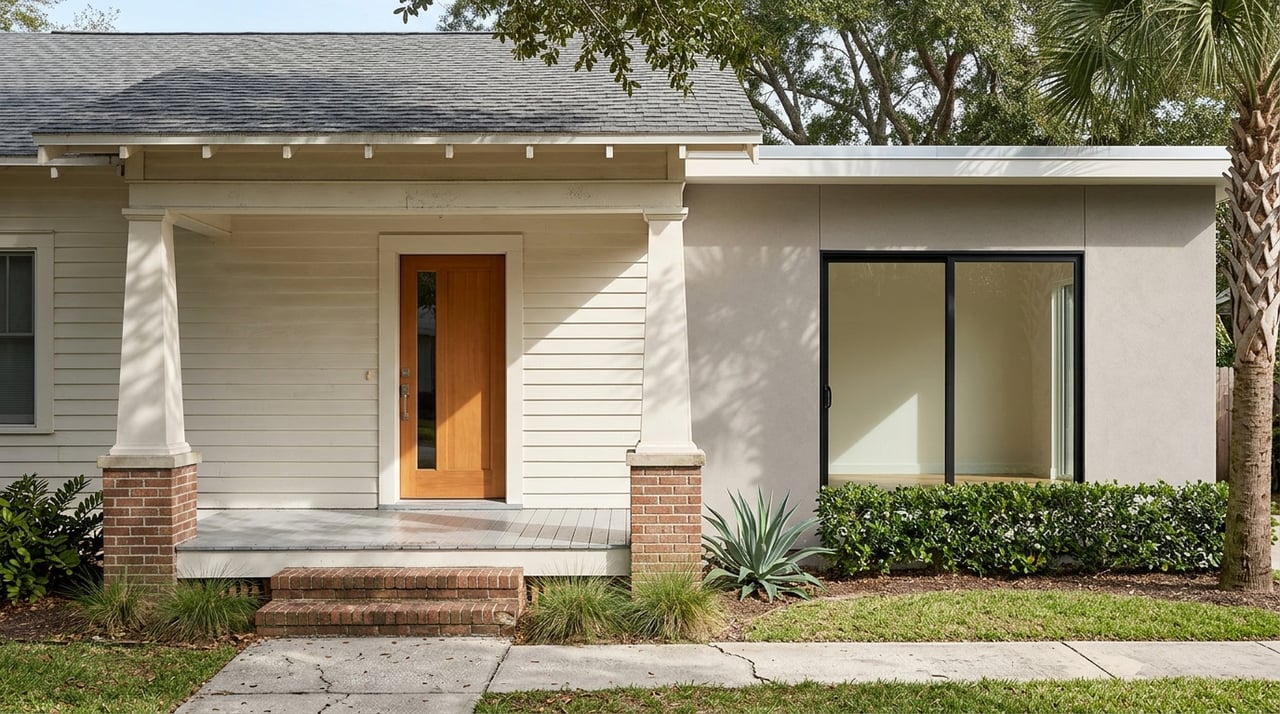
If you are torn between a charming older home and a polished newer build in Ballast Point, you are asking the right question. This South Tampa neighborhood offers a real mix of housing styles, and the best fit often comes down to how you want to live, what projects you are willing to take on, and how you weigh character against convenience. By the end of this guide, you will have a clearer way to compare old and new homes in Ballast Point and ask smarter questions before you buy. Let’s dive in.
Why Ballast Point Feels Different
Ballast Point has a distinct old-Florida feel that comes from its mix of historic homes, renovated properties, mature trees, and waterfront access. The City of Tampa also describes the area as a low-density, low-rise residential neighborhood, which helps explain why the housing stock feels varied rather than uniform.
That matters when you start your home search. In Ballast Point, you are not choosing from one standard product type. You are comparing older bungalows, ranches, cottages, and estate-style homes with newer infill construction that is typically custom or semi-custom in feel.
What “Older Home” Often Means Here
In Ballast Point, an older home can mean several different things. You may find a 1920s bungalow, a 1950s ranch, a cottage with a large porch, or a renovated property with flexible outbuildings and a more unusual lot shape.
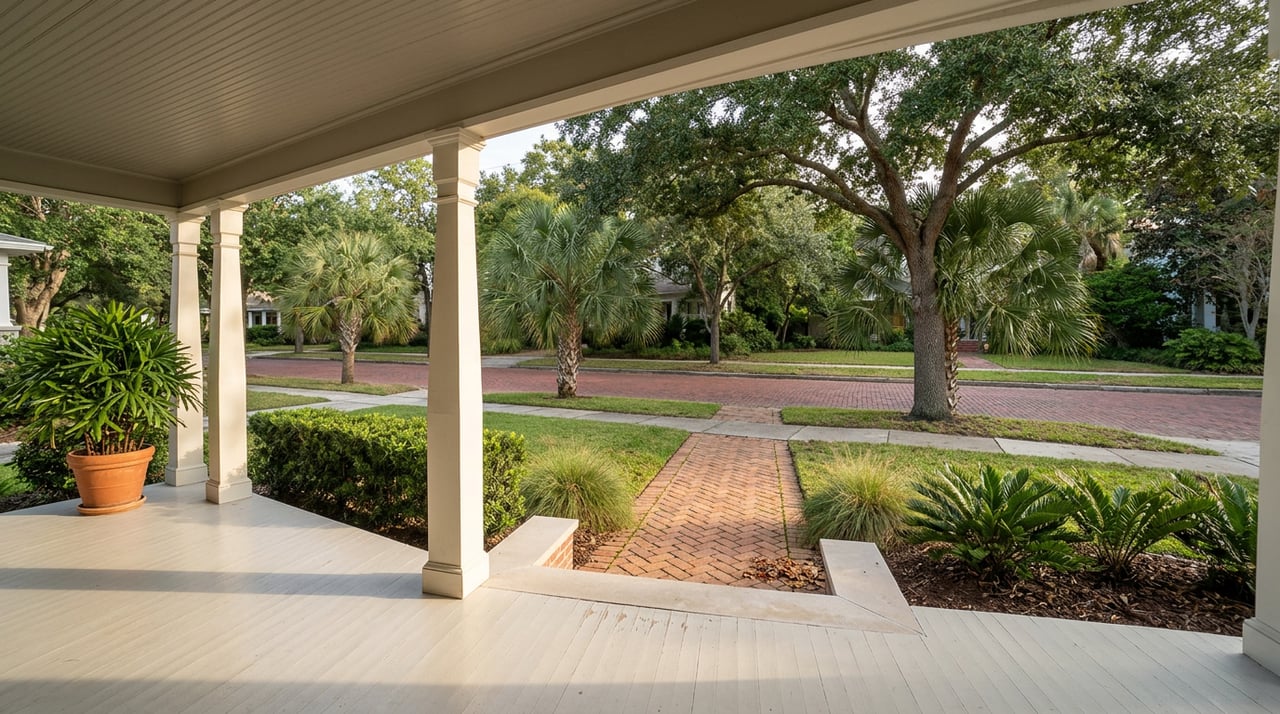
This variety is part of the appeal. Older homes here often offer details that buyers love, such as front porches, mature landscaping, detached sheds or workshops, and larger or less standard lot layouts.
Current vintage listings show how wide that range can be. Examples include a 1926 bungalow on a 9,000-square-foot lot with two permitted houses on one parcel, a 1952 bungalow with a large backyard, and a 1920s estate near Bayshore.
Older Homes Can Offer More Character
If you care about personality, older homes often have the edge. The appeal may come from original architecture, deeper lots, flexible yard space, or a layout that feels less cookie-cutter than newer construction.
For some buyers, that charm is worth a little extra work. If you enjoy the idea of making thoughtful updates over time, an older Ballast Point home can offer renovation upside along with a strong sense of place.
Older Homes Need More Diligence
The biggest difference is usually not style. It is maintenance and upgrade history.
Vintage listings in Ballast Point often highlight updates like newer roofs, updated electrical, newer AC systems, relined sewer lines, newer water heaters, and remodeled kitchens and baths. That tells you exactly where buyers should focus their attention during due diligence.
If you are considering an older home, ask for a clear timeline of major system replacements. A house with charm and recent upgrades may feel very different from one that still needs large-ticket work soon after closing.
What “New Home” Often Means Here
Newer homes in Ballast Point are usually infill homes rather than homes in a large subdivision. That means you are more likely to see one-off or semi-custom builds inserted into the existing neighborhood fabric instead of rows of similar tract homes.
This lines up with the neighborhood’s planning goals. Ballast Point is intended to remain low-rise and low-density, and the neighborhood plan calls for limiting new development to three stories.
Newer Homes Usually Mean Turnkey Living
Many buyers are drawn to newer homes because they want a smoother ownership experience right away. In Ballast Point, current new-construction listings range from about 2,557 square feet in a townhouse format to more than 5,600 square feet in a larger single-family home.
Current examples also show the pricing that often comes with that convenience. New-construction listings in the neighborhood include homes around $899,000, $1.175 million, $1.465 million, and up to $2.9 million.
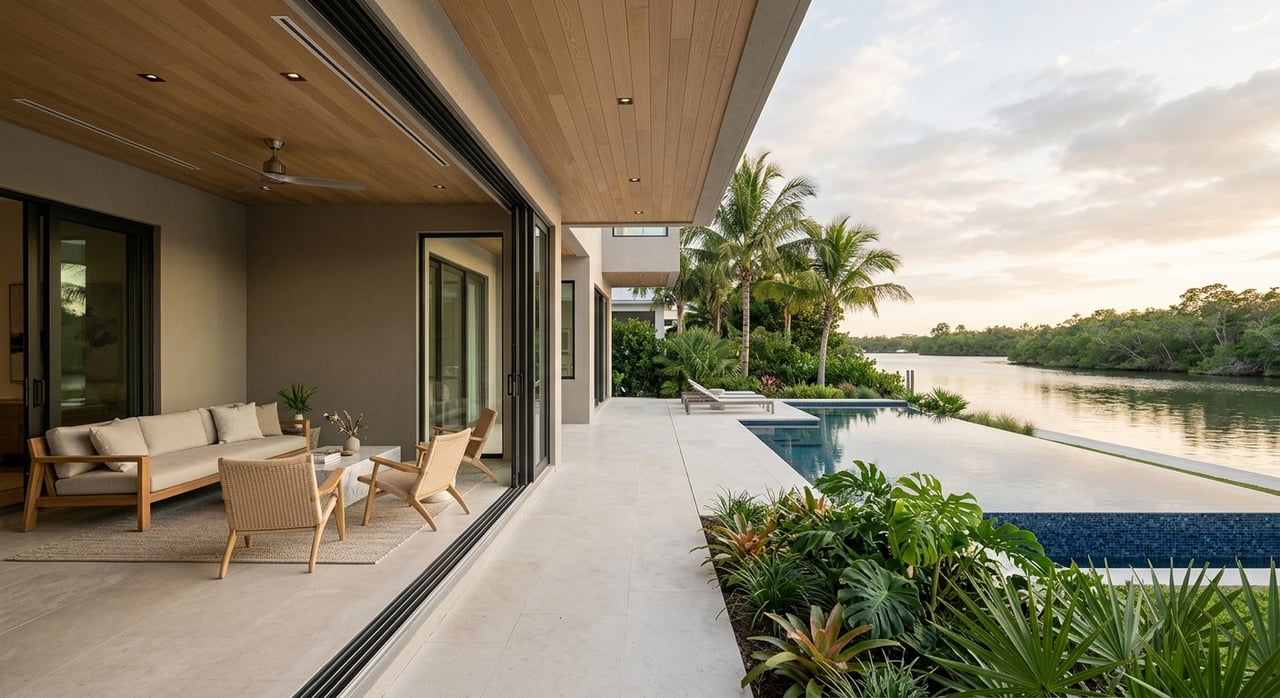
While every property is different, newer homes generally appeal to buyers who want updated finishes, modern layouts, and fewer immediate system projects. If your priority is moving in and getting settled without a renovation plan, newer construction may better fit your goals.
Newer Homes May Mean Paying More Up Front
A newer home can reduce near-term maintenance surprises, but that convenience usually comes with a higher purchase price. In Ballast Point, age alone does not determine value. Still, many newer homes ask buyers to pay a premium for larger interiors, more current finishes, and a turnkey condition.
That is why it helps to ask a simple question: are you paying mainly for land and location, or for the cost savings and convenience of a newer build? In this neighborhood, the answer can vary from one block to the next.
Price in Ballast Point Is Not Just About Age
One of the easiest mistakes buyers make is assuming older means cheaper and newer means more expensive. In Ballast Point, the market is more nuanced than that.
Recent public snapshots show a median sale price of $643,284 over the three months ending May 2026, while Realtor.com described the neighborhood as balanced in May 2026 with homes selling for about 98% of list price on average. At the same time, Redfin’s vintage-home page showed a median listing price of $982,000 for vintage homes.
That spread tells an important story. Condition, lot size, location within the neighborhood, proximity to Bayshore, and the quality of a renovation or new build can all matter just as much as the year the home was built.
Lot Size and Layout Can Change the Decision
In Ballast Point, lot strategy can be just as important as the house itself. Older homes may sit on larger or more irregular lots, and they may include detached structures, workshops, or even a second permitted dwelling on the same parcel.
Newer homes, by contrast, often sit on more standard South Tampa infill lots and tend to use the site differently. Representative examples range from a 9,000-square-foot vintage lot with two houses to newer builds on lots around 6,000 to 7,400 square feet.
Think Beyond the House Today
As you compare options, think about how you want to use the property over time. You may want space for a pool, an addition, a detached garage, or a future reconfiguration.
That is where older and newer homes can diverge in a very practical way. An older house with a flexible lot may offer more long-term options, while a newer home may deliver more finished space today but less room to change the site later.
Flood Risk Should Be an Early Conversation
In Ballast Point, flood diligence should happen early, not after you fall in love with a property. The City of Tampa notes that standard homeowners insurance usually does not cover flood damage, and FEMA flood maps are used to assess flood risk and building requirements.
Hillsborough County adds that FEMA flood maps are a useful first screen, and that Zone A and Zone V are high-risk areas tied to insurance and development rules. The county also notes that its floodplain maps do not model coastal storm surge.
Renovation Rules Can Affect Older Homes More
Flood rules can be especially important when you are evaluating an older home with renovation potential. According to the City of Tampa, if a property in a FEMA special flood hazard area has repairs or improvements that exceed 50% of the home’s value, the property must be brought up to current code, including elevation above base flood elevation.
That rule can have a major impact on your renovation budget and timeline. Since Ballast Point is not on the city’s current local historic-district list, renovation decisions are more likely to be shaped by code, zoning, and flood rules than by local historic preservation review.
A Simple Way to Choose
If you are deciding between old and new in Ballast Point, start with your lifestyle rather than your wish list. The right choice usually becomes clearer when you think about time, budget, and tolerance for projects.
An older home may be the better fit if you value character, larger or more flexible lots, and the chance to personalize the property over time. A newer home may be the better fit if you want a more turnkey move, modern systems, and fewer near-term updates.
Questions Worth Asking Before You Buy
Use these questions to compare properties more clearly:
- Is this specific home best viewed as a renovation opportunity or a turnkey purchase?
- What major systems have been replaced, and when?
- Is the lot large enough for a pool, addition, detached garage, or future redesign?
- What flood zone applies to this parcel, and how might that affect insurance?
- Could a planned renovation trigger substantial-improvement rules if the home is in a flood zone?
- Are you paying primarily for the land and location, or for the convenience of newer construction?
In a neighborhood as varied as Ballast Point, these answers often matter more than the home’s age alone.
The Bottom Line for Ballast Point Buyers
Ballast Point gives you options that are harder to find in more uniform neighborhoods. You can pursue old-Florida charm, a mid-century footprint, a renovated vintage home, or a newer infill property with a more current finish and layout.
The key is to compare each home in context. When you look closely at systems, lot layout, flood exposure, and the true cost of updates, you can make a decision that fits both your lifestyle and your long-term plans.
If you want help weighing older homes against newer construction in Ballast Point, The Warneke Group can help you compare the details, spot trade-offs early, and move forward with confidence.
FAQs
What is the main difference between old and new homes in Ballast Point?
- Older homes often offer more character, varied lot layouts, and renovation potential, while newer homes often offer a more turnkey condition, modern layouts, and fewer immediate system concerns.
Are older homes in Ballast Point always less expensive than new homes?
- No. Public market snapshots show a wide price range, and factors like condition, lot size, location, and renovation quality can influence price as much as age.
What types of older homes are common in Ballast Point?
- Buyers commonly see bungalows, ranches, cottages, and renovated older homes, including some properties with detached structures or flexible lot setups.
What should buyers check before purchasing an older Ballast Point home?
- Review the age and condition of major systems such as the roof, AC, electrical, sewer line, water heater, kitchens, and baths, and ask how any needed updates could affect your budget.
How does flood risk affect buying a home in Ballast Point?
- Flood risk can affect insurance needs, building requirements, and renovation plans, so buyers should check the parcel’s flood zone early and understand any rules tied to that designation.
Can renovating an older Ballast Point home trigger extra code requirements?
- Yes. In a FEMA special flood hazard area, the City of Tampa says repairs or improvements that exceed 50% of the home’s value can require the property to be brought up to current code, including elevation above base flood elevation.
Are new homes in Ballast Point usually part of large subdivisions?
- No. Newer homes in Ballast Point are typically infill homes that fit into the existing neighborhood rather than part of large master-planned subdivisions.