If you have ever driven through Beach Park and wondered why one block feels like old Tampa elegance while the next feels sleek and newly tailored, you are not imagining it. This neighborhood has a layered architectural story, and that mix is a big part of its appeal. If you are house hunting here, understanding the styles you will see can help you spot what fits your taste, your lifestyle, and your long-term goals. Let’s dive in.
Why Beach Park Feels Distinct
Beach Park began developing in the early 1920s on waterfront land along Old Tampa Bay. The City of Tampa describes the area as a place of large oak trees, winding streets, very large lots, and a wide range of architectural styles. That combination still shapes the neighborhood today.
The setting matters as much as the homes themselves. A 2021 City of Tampa urban forest analysis lists Beach Park at 47% tree canopy, which helps explain the shaded, established feel many buyers notice right away. When you tour homes here, the lot, the trees, and the way the house sits on the street often tell as much of the story as the front elevation.
Mediterranean Revival Roots
The neighborhood’s original visual language
Beach Park was originally planned around Mediterranean-style architecture. The Beach Park Women’s Club history says the early development called for stucco exteriors, terracotta roofs, interior and exterior archways, and decorative tile. The City of Tampa also notes that many original Mediterranean-style mansions still remain.
This style gave Beach Park its earliest identity. Tampa’s historic-style guide describes Mediterranean Revival homes as using stucco, tile roofs, arches, decorative ceramics, exposed beams, and low-pitched roofs. In Beach Park, these details often appear on larger homes that feel formal, established, and tied to the neighborhood’s first wave of development.
What to look for in person
If you are touring Beach Park homes, Mediterranean Revival is usually one of the easiest styles to identify. Look for light-colored stucco walls, red or terracotta tile roofing, arched openings, and ornamental details like ironwork or tile accents. These homes often feel especially at home on large lots with mature trees and deeper setbacks.
Tampa Magazine highlighted a 1925 Beach Park Mediterranean built on two lots with historic live oaks and described the style as a natural fit for Florida because of its light colors, stucco, tile, and airflow in the pre-air-conditioning era. That history helps explain why these homes can feel both elegant and climate-aware at the same time.
Craftsman and Bungalow Blends
Beach Park is not one-note
Even though Mediterranean Revival helped define Beach Park early on, it is not the only style you will find. Tampa Magazine featured a late-1920s Craftsman example with Mediterranean arches, earth tones, a wide front porch, and a low-pitched roof. That kind of blending shows how some homes in Beach Park do not fit neatly into just one category.
This matters if you are searching for character rather than strict architectural purity. In Beach Park, some homes combine the warmth of a porch-forward Craftsman layout with Mediterranean details that tie back to the neighborhood’s original plan.
How Craftsman cues show up
The City of Tampa’s style guide describes Craftsman bungalows as emphasizing simplicity, craftsmanship, porches for outdoor living, numerous windows, wide eaves, and exposed beams or rafters. In Beach Park, those features can appear in homes that feel more grounded and casual than the area’s larger estate-style Mediterraneans.
You may also notice detached garages or accessory structures on some older properties. Tampa Magazine noted one older Beach Park home with a rare Florida basement, a detached garage, and a carriage house. On larger original lots, those extra structures can add to the property’s historic feel and utility.
Mid-Century Ranch and Postwar Homes
The neighborhood expanded over time
As Beach Park evolved, later homes added another architectural layer. Postwar construction introduced 1950s-style block homes and ranch houses, giving the neighborhood a broader mix of scales and layouts. That is one reason Beach Park feels varied instead of visually repetitive.
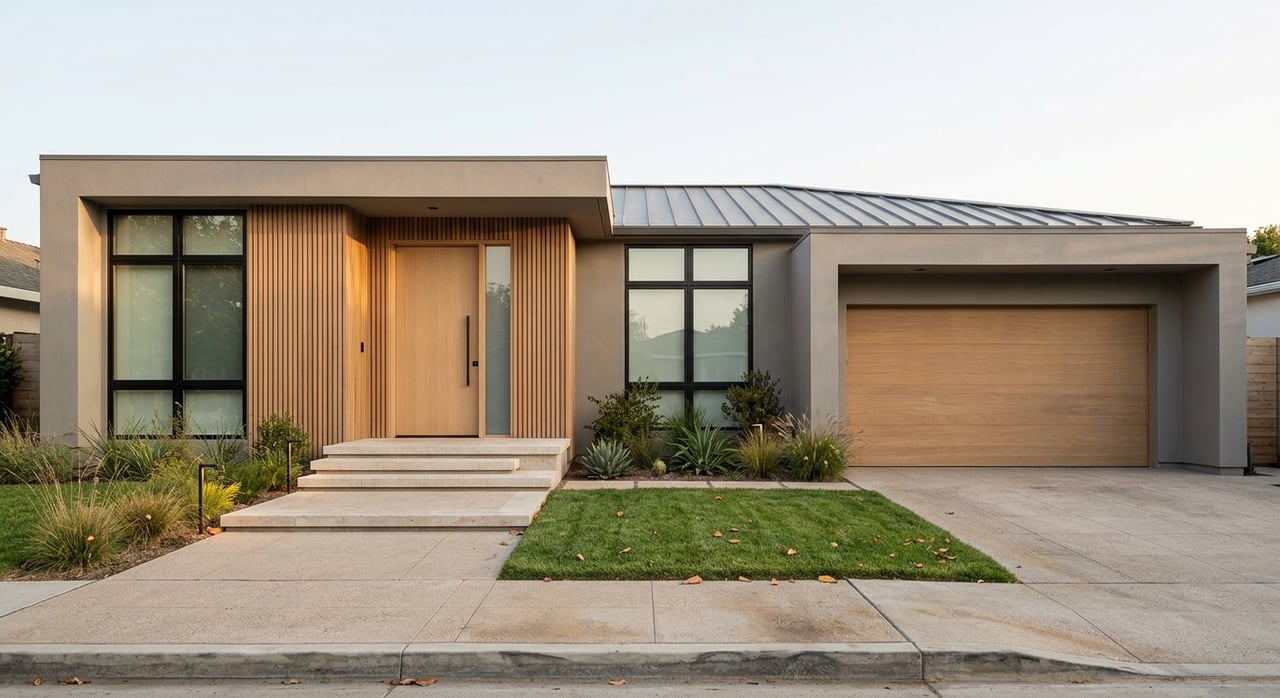
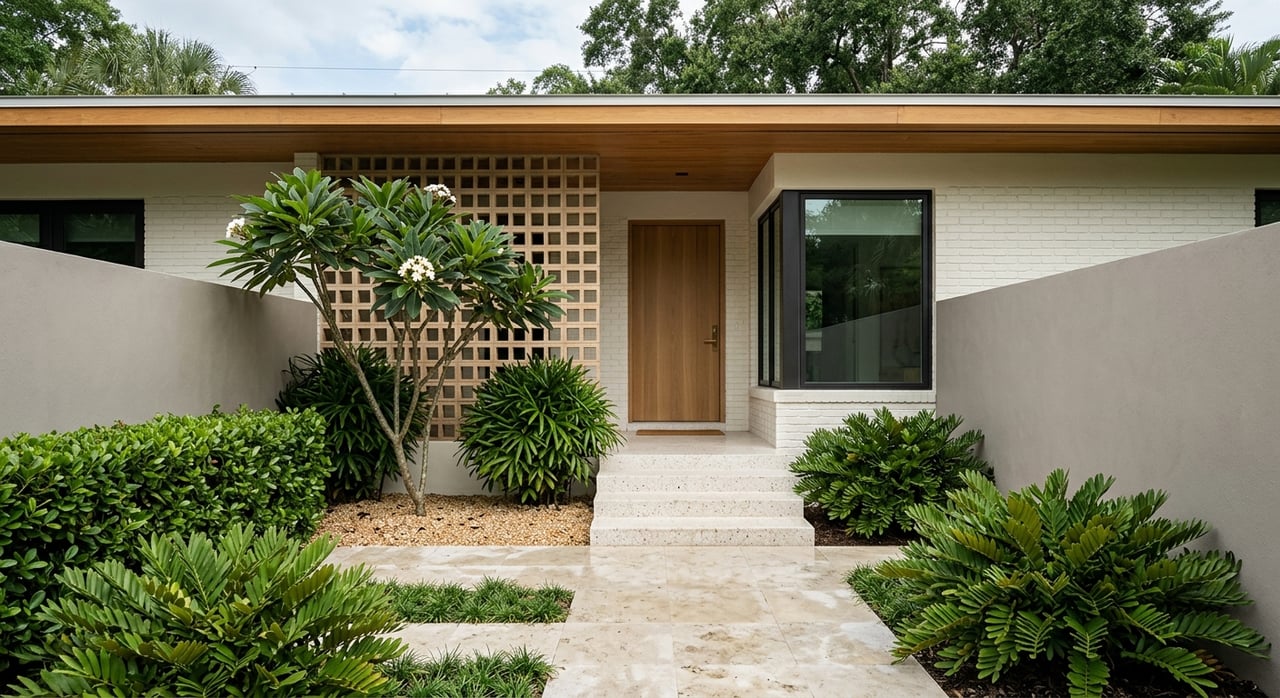
The ranch house, as described by the National Park Service, is typically one story and long in form, often with overhanging eaves and natural materials. Interiors often favor open living spaces, large picture windows, and sliding glass doors.
What ranch homes feel like
In Beach Park, ranch and postwar homes usually read as lower-profile and more casual than the earlier Mediterranean estates. Their lines tend to be more horizontal, and the connection to the yard may feel more direct. For some buyers, that creates a simpler, more relaxed design language.
If you prefer one-level living or a less formal exterior, this era of housing may stand out to you. These homes can also occupy lots that still benefit from the same mature trees and winding streets that define the neighborhood as a whole.
Contemporary Luxury Rebuilds
A newer layer in Beach Park
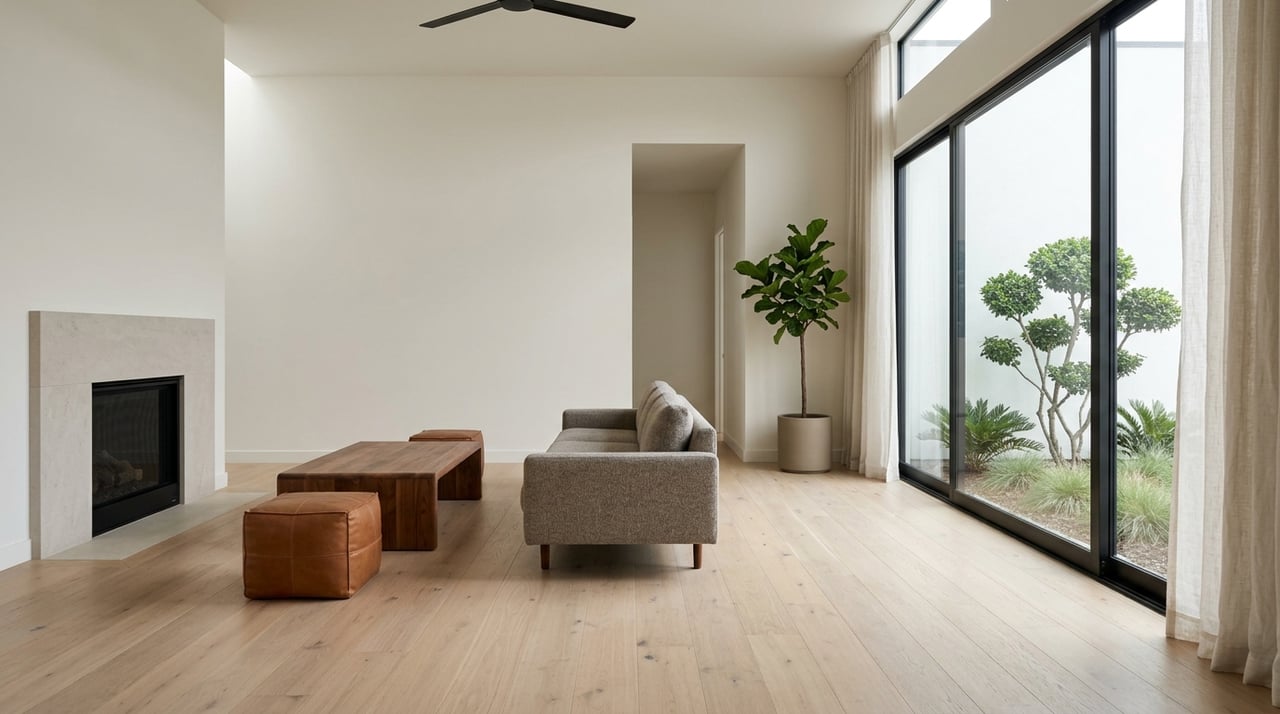
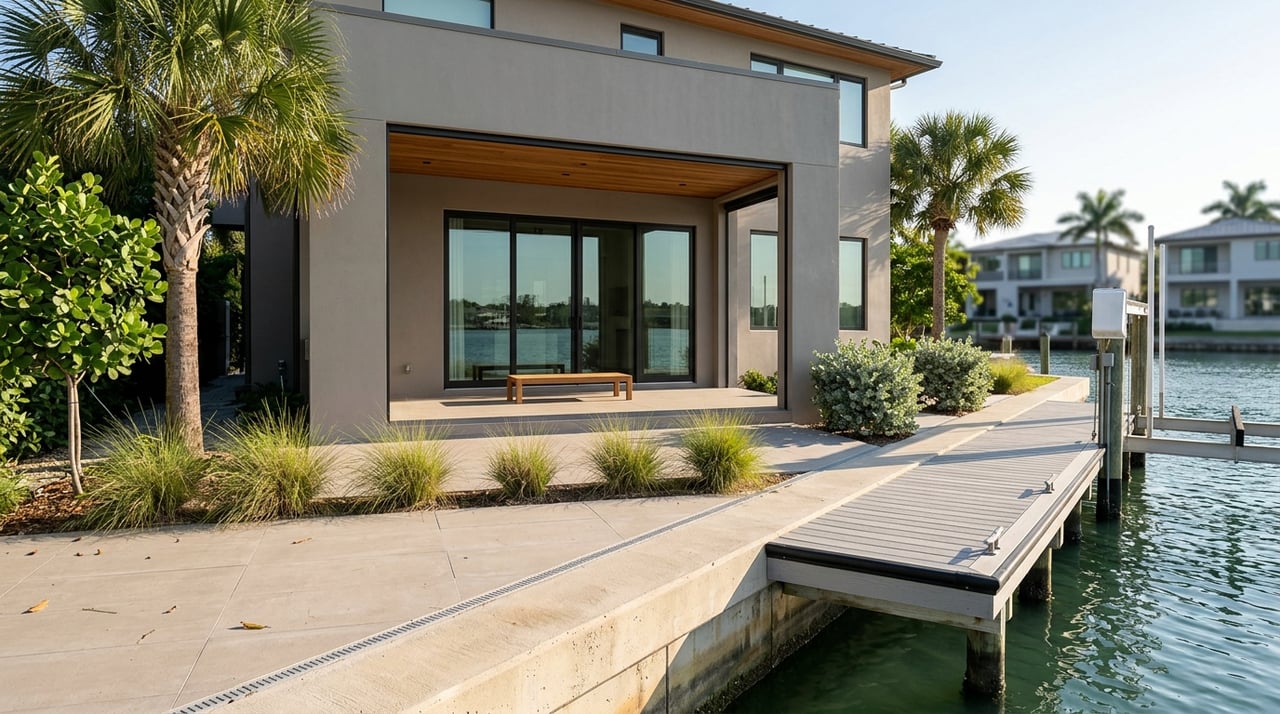
Beach Park also includes contemporary custom homes and major rebuilds. Tampa Magazine described a new waterfront home as clean-lined and all-white, and noted that some older Mediterraneans and 1950s block homes have been replaced when lot value and rebuild economics made sense. That helps explain why newer homes here can feel highly custom and design-driven.
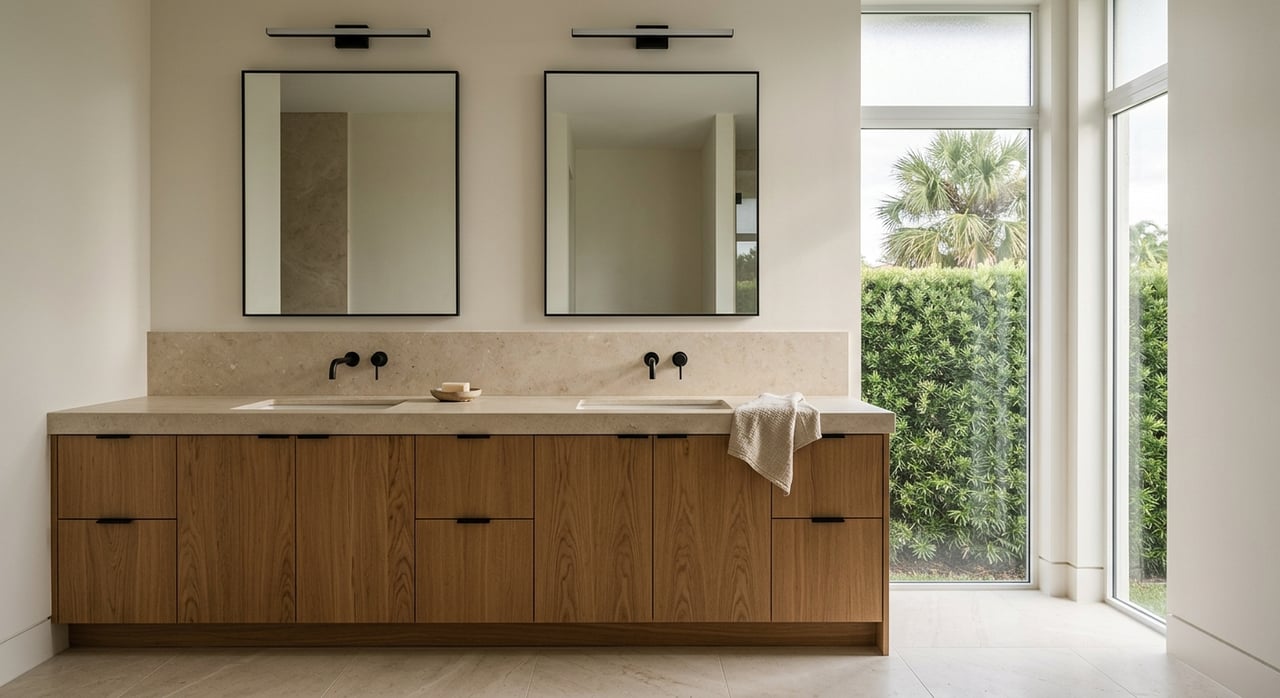
These newer properties are not mass-produced in character. Instead, they tend to reflect individual design choices, updated layouts, and a more current approach to materials and indoor-outdoor living.
What modern buyers often notice
If you are drawn to newer construction, pay attention to how a contemporary home fits its site. In Beach Park, a modern house may stand on a large lot with mature canopy and established streetscape, even if the architecture itself is very current. That contrast is part of what makes the neighborhood so interesting.
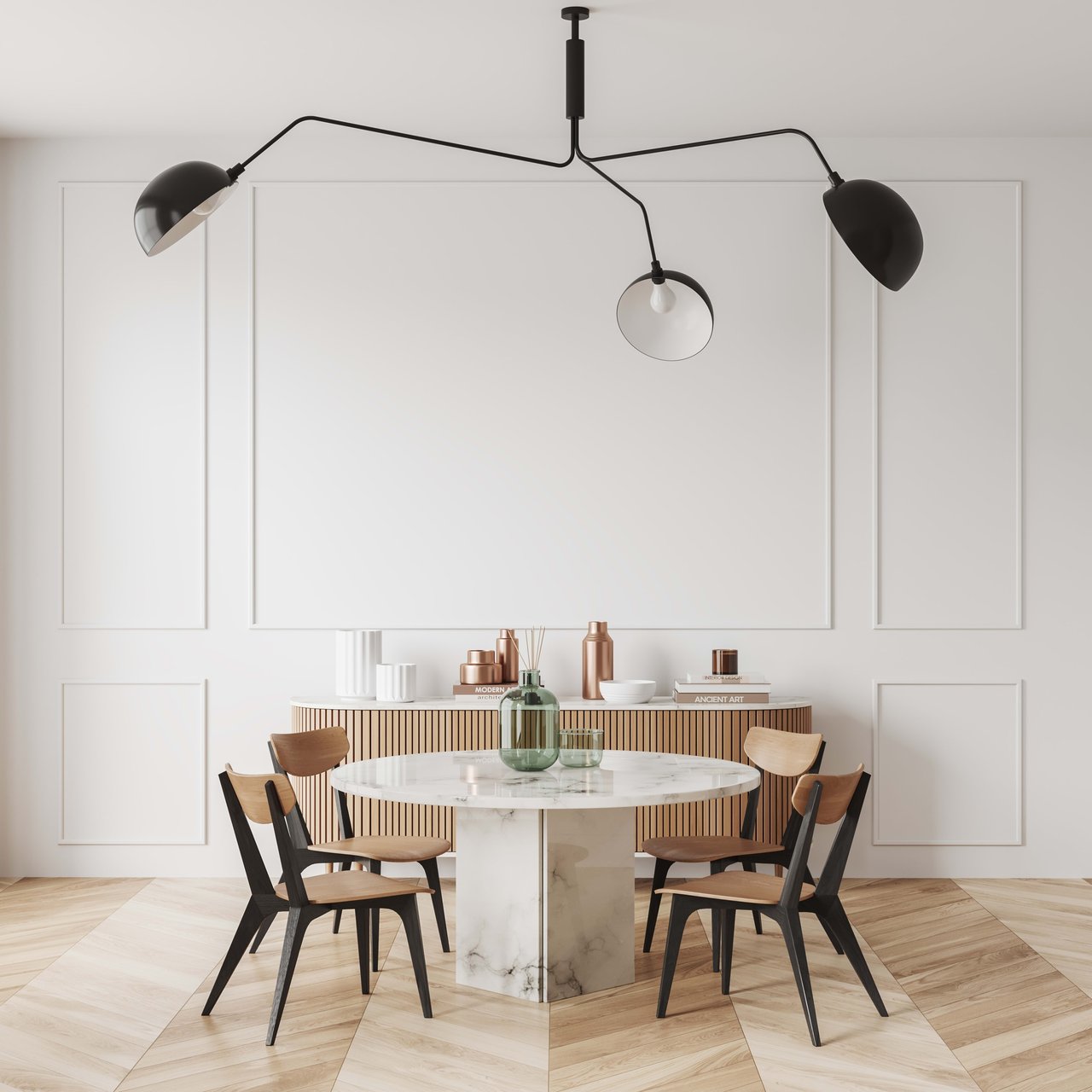
You may also notice that newer homes often feel transitional rather than tied to one historic style. Clean lines, brighter palettes, and more open interiors can create a different experience from the original homes while still benefiting from Beach Park’s established setting.
What Creates Consistency Across Styles
Large lots and winding streets
One of Beach Park’s biggest strengths is that the neighborhood feels cohesive even when the architecture changes from house to house. The City of Tampa emphasizes very large lots and winding streets as defining features. That lot pattern helps hold the neighborhood together visually.
For buyers, this means you should pay attention to more than façade style. Setback depth, side-yard width, and how the house sits within the lot can shape how private, prominent, or estate-like a property feels.
Mature canopy and landscape framing
Beach Park’s high tree canopy is another major part of its identity. Mature trees soften the look of homes from every era and create a strong visual backdrop across the neighborhood. In many cases, the landscaping and outdoor setting are central to how the architecture is experienced from the street.
This is especially important when comparing homes from different decades. A ranch, a Mediterranean estate, and a newer custom build can feel more connected when all three sit beneath mature canopy and along curving streets.
How to Read a Beach Park Home Tour
Start with the roofline
One of the fastest ways to identify style is to look up. Stucco walls, tile roofs, arches, and decorative ironwork often point to Mediterranean Revival. Low roofs, wide eaves, and porch-focused compositions usually suggest Craftsman influence.
If the house has a long, horizontal shape with larger areas of glass, it may reflect ranch-era design. These visual clues can help you understand a home’s era before you even step inside.
Study the lot, not just the house
In Beach Park, lot size and layout can be as important as the home itself. Because the neighborhood is known for very large lots, a property’s setbacks, tree placement, and outdoor areas all affect how it lives. Two homes with similar square footage can feel very different depending on how they use the site.
This is especially helpful when comparing original homes to rebuilds. An older house may offer architectural character and mature landscape integration, while a newer home may maximize site planning in a different way.
Match your taste to the block
Beach Park works best when you think in layers. Some blocks lean more historic, some show more postwar variety, and some include newer custom construction. The right fit often comes down to how much original character you want, what scale of home feels comfortable to you, and how important newer design features are in your search.
That is where local neighborhood knowledge becomes valuable. In a place like Beach Park, the block, the lot, and the architectural era all shape your experience of the home.
If you want help understanding how a specific Beach Park property fits into the neighborhood’s architectural story, The Warneke Group can help you read the details and make a more confident move.
FAQs
What architectural styles are most common in Beach Park Tampa?
- Beach Park is known for Mediterranean Revival homes, Craftsman and bungalow blends, mid-century ranch and postwar homes, and newer contemporary luxury rebuilds.
Are there still original homes in Beach Park Tampa?
- Yes. The City of Tampa says many original Mediterranean-style mansions still remain in Beach Park.
Why do homes in Beach Park Tampa look so varied?
- The neighborhood developed in layers over time, starting with 1920s Mediterranean planning, then adding postwar homes and newer rebuilds on select lots.
What gives Beach Park Tampa a consistent feel?
- Large lots, winding streets, mature oak trees, and a strong tree canopy help create continuity even when home styles vary.
What should you notice when touring homes in Beach Park Tampa?
- Pay close attention to roofline, exterior details, lot size, setbacks, tree placement, and how the home fits the block and streetscape.